
In the heart of India's agricultural transformation, a quiet revolution is underway — not with tractors or fertilizers, but with blueberry plants, polyhouse farming, and banana tissue culture. As climate challenges intensify and land availability tightens, farmers are shifting toward smart cultivation, exotic fruit farming, and high-tech greenhouses.
The age of seasonal, open-field farming is giving way to year-round, controlled environment cultivation — unlocking new income streams for growers and new taste adventures for Indian consumers.
The Rise of Exotic Fruits in Indian Soil
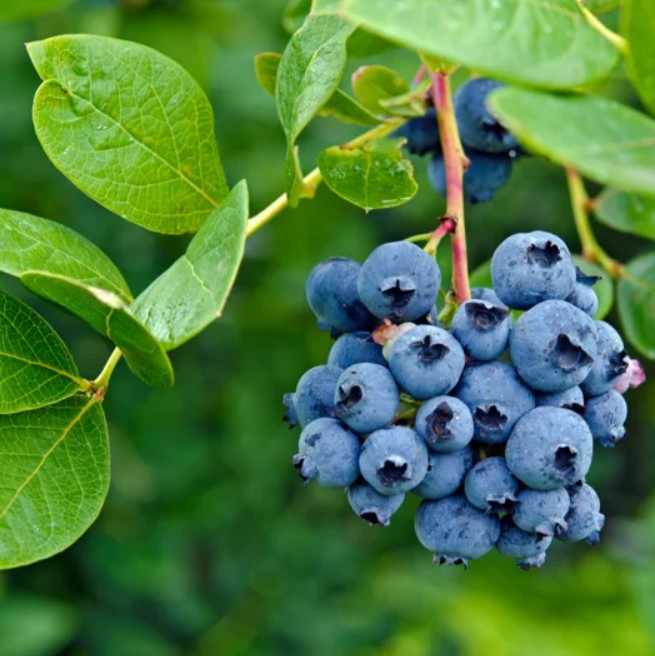
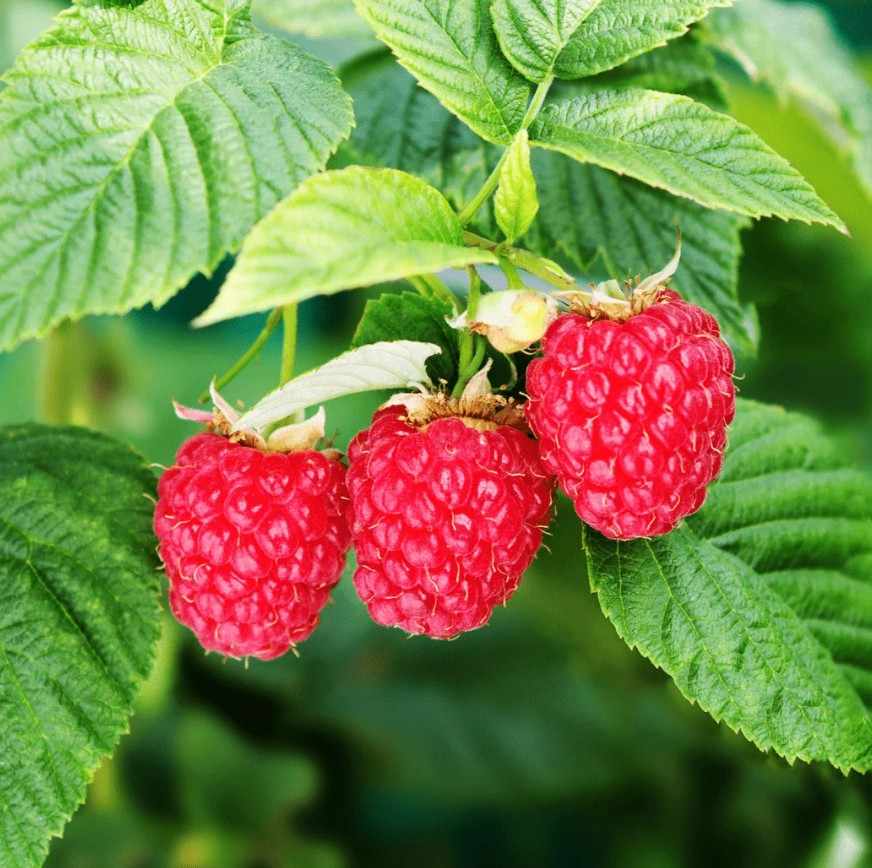
Once a niche item in luxury supermarkets, blueberries and strawberries are now becoming mainstream — not just for consumption but cultivation. Health-conscious consumers, driven by the antioxidant and wellness benefits of these berries, are creating a booming demand.

Forward-thinking farmers are responding by investing in blueberry plants for sale in India, made viable thanks to the development of suitable cultivars that adapt to Indian climate zones — especially in hilly regions or cooler zones equipped with greenhouse technology.
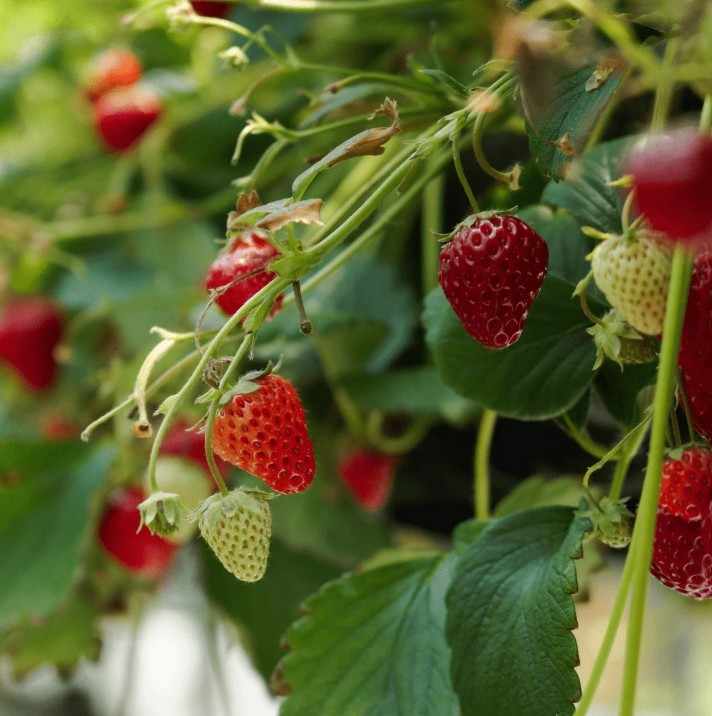
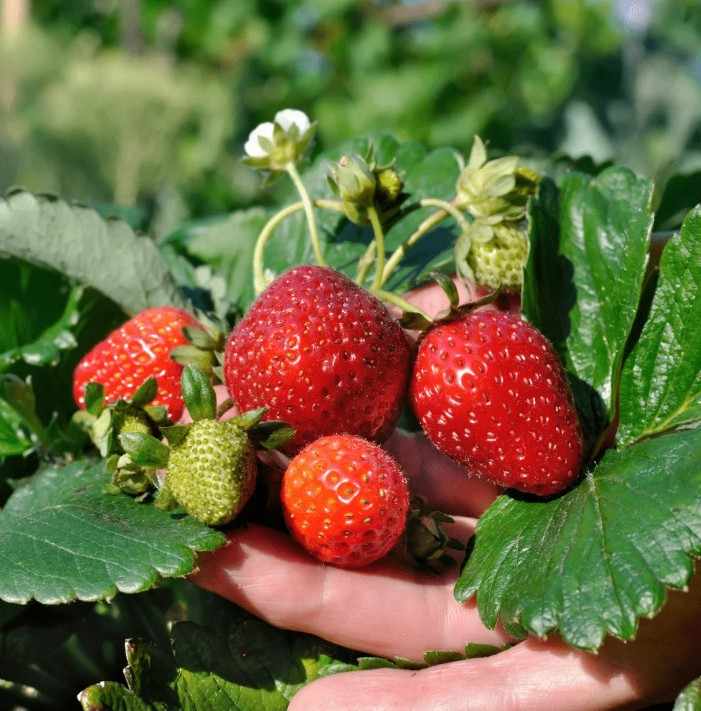
Meanwhile, strawberry plants for sale in India are seeing rapid adoption in places like Himachal Pradesh, Uttarakhand, and even Maharashtra — especially by young agri-entrepreneurs. These fruits, once limited by climate, now flourish in controlled polyhouse environments, allowing harvests even in non-traditional seasons.
Polyhouse Farming: The Silent Game-Changer
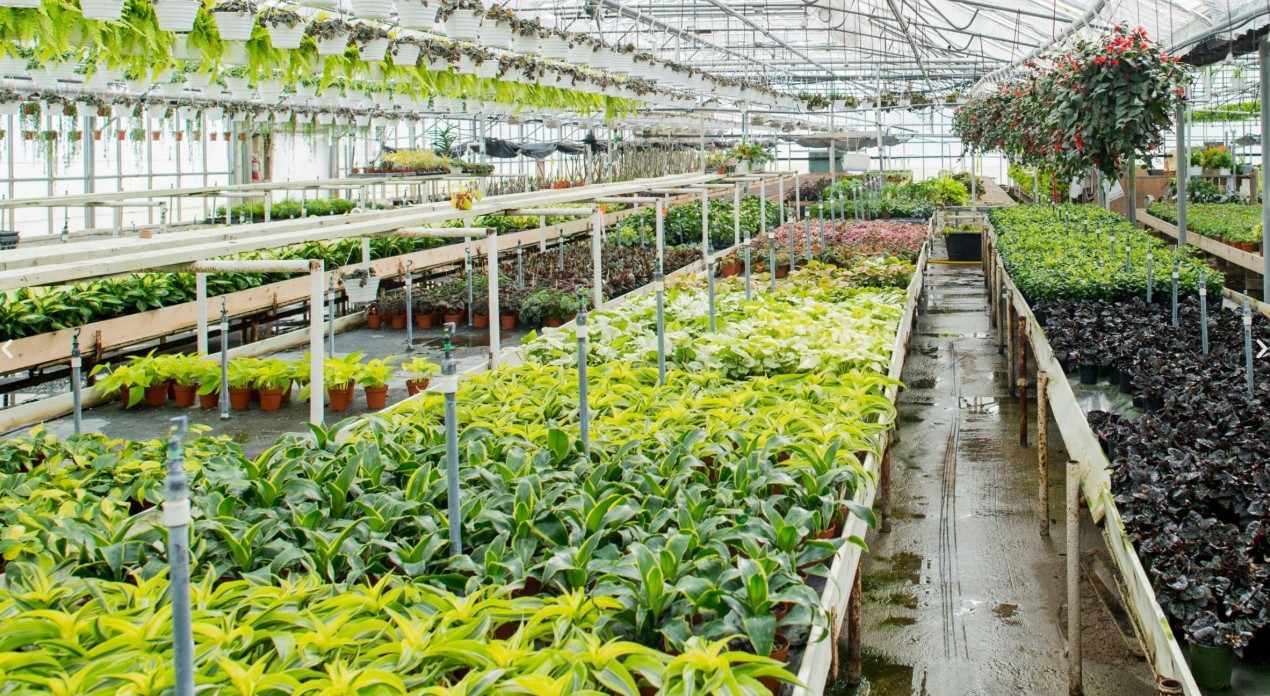
At the center of this transformation is the polyhouse — a protective structure made from transparent materials that allows sunlight in but shields crops from rain, pests, and extreme temperatures. The benefit? Stable, predictable yields.
Polyhouse manufacturers in India are now offering tailored, scalable solutions for smallholder farmers, cooperative societies, and large agri-businesses alike. Whether it's growing capsicum, cucumber, or off-season strawberries, these structures make it possible.
A well-designed polyhouse creates a microclimate: warm in winter, cool in summer, and dry during monsoon. This unlocks the potential to grow blueberries in February, strawberries in July, and vegetables year-round — even in zones that were once inhospitable.
With minimal pesticide use and higher water efficiency, polyhouse farming is not only profitable but sustainable — and increasingly eligible for government subsidies and bank financing.
Banana Tissue Culture: Reinventing a Classic Crop
While berries are making headlines, a quiet revolution is also underway in a classic Indian staple: the banana. Traditional banana cultivation is labor-intensive and vulnerable to disease, climate variations, and inconsistent yields.
Enter banana tissue culture — the method of growing banana saplings in a sterile lab from selected elite specimens. This technique ensures uniformity, disease resistance, faster maturity, and up to 30–40% higher yields.
Today, farmers across states like Bihar, Maharashtra, Andhra Pradesh, and Tamil Nadu are switching to banana tissue culture for better returns per acre. The plants require less replanting, grow faster, and fruit more consistently — providing farmers with a dependable, year-round income.
The technology also opens doors for exports. With uniform bunch sizes and longer shelf life, these bananas meet the strict quality controls of international buyers — making India a stronger player in the global fruit trade.
Why This Shift Matters Right Now
India's farmers are no longer farming just for survival — they're farming for profit, prestige, and purpose. The next generation of growers is educated, tech-savvy, and environmentally aware.
They’re looking for blueberry plants for sale in India not just for commercial farming but to break into premium markets. They're turning to strawberry plants for sale in India for quick cash crops that thrive even in limited land. And they’re choosing banana tissue culture as a stable, scalable option in regions with high demand and export potential.

But this shift wouldn’t be possible without infrastructure — and that’s where polyhouse manufacturers in India are making an impact. From compact structures for half-acre plots to high-tech, sensor-enabled houses for industrial setups, polyhouses are now within reach for every kind of farmer.
The transformation isn’t just about crops — it’s about control, predictability, and independence. In a country where weather can change in minutes, controlling your farming environment is nothing short of revolutionary.
The Sheel Biotech Advantage
At the heart of this horticultural boom is Sheel Biotech — one of India’s trusted pioneers in plant tissue culture, protected cultivation systems, and quality planting material. Their offering includes:
Blueberry plants for sale in India with varieties suited to Indian agro-climatic conditions.
High-yielding, disease-resistant strawberry plants for sale in India perfect for polyhouse cultivation.
Elite, fast-growing banana tissue culture saplings known for consistency and export-friendly quality.
End-to-end support as polyhouse manufacturers in India, helping farmers design, build, and maintain controlled environments.
Whether you’re a first-time farmer or a seasoned horticulturist, Sheel Biotech ensures that quality, technology, and guidance go hand in hand.
Smart Farming: The Road Ahead
Looking ahead, the fusion of greenhouse farming, data-based irrigation, and AI-driven crop monitoring will become standard. But even now, smart decisions begin with the basics:
Start with the right plant — choose certified, lab-grown tissue culture or region-adapted cultivars.
Invest in protection — a polyhouse pays for itself by reducing risk and increasing productivity.
Think beyond the season — fruits like blueberries and strawberries can now be grown when demand and prices are highest, not just when nature allows.
Scale with science — adopt tested banana tissue culture methods to grow consistent, high-quality fruit with minimal input waste.
As global interest in Indian produce grows, those who adapt early will be at the forefront of a booming export and domestic market.
Conclusion: Cultivate the Future Today
From exotic blueberries and juicy strawberries to sustainable banana tissue culture plantations and climate-resilient polyhouse farming, the new Indian farm is unrecognizable from a decade ago — smarter, faster, and far more profitable.
In this evolving agri-landscape, success comes not from tradition alone but from innovation, adaptation, and trusted partners. With high-tech structures, disease-free saplings, and year-round potential, the farm of the future isn’t in the future anymore — it’s already here.
And for those ready to grow beyond limits, it all begins with a single step — and a smart plant.



Write a comment ...