
The Sweet Shift: Why India is Falling in Love with Exotic Berries
India’s agricultural landscape is evolving—and the heroes of this quiet revolution are unexpected: strawberries and raspberries. From farm-to-fork, these juicy fruits are redefining modern horticulture. Rising health consciousness, exotic fruit demand, and export opportunities have turned these berries into goldmines for farmers across the country.
What’s driving this boom isn’t just consumer preference—it’s innovation. Farmers are now planting smarter, using clean propagation methods, protected structures, and scientific approaches to maximize yield and quality.
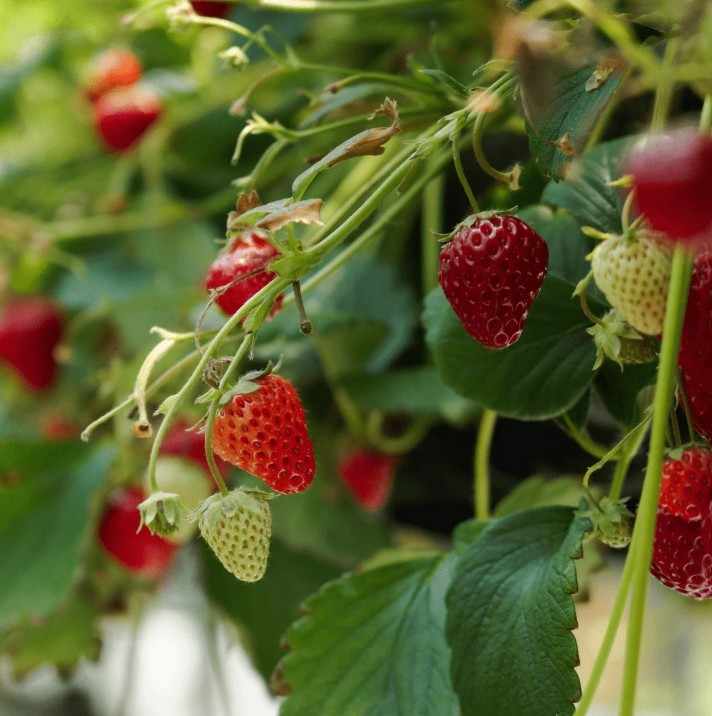
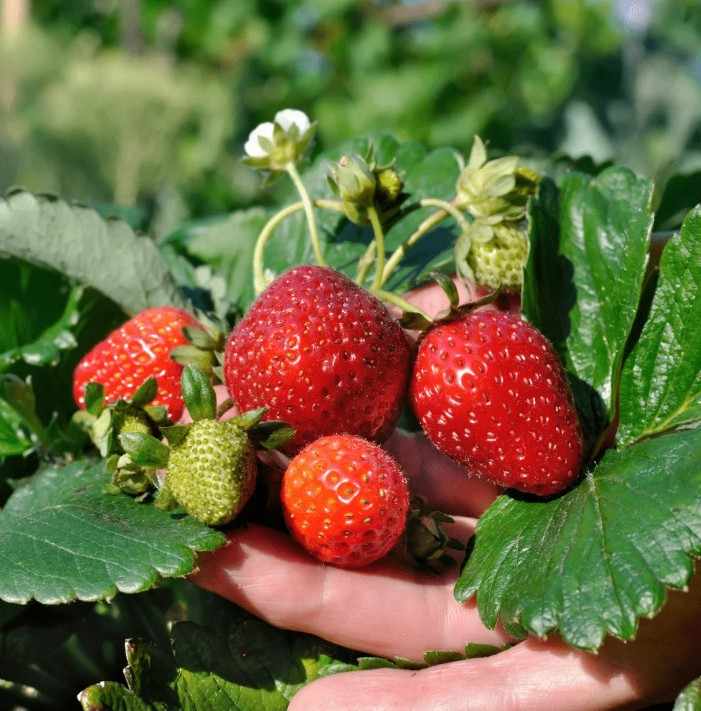
Strawberry Plants in India: From Hills to Plains
Once limited to cool hill stations, strawberry plants in India are now thriving across states like Haryana, Uttar Pradesh, Maharashtra, and even parts of Rajasthan. This expansion has been made possible by temperature-controlled environments, hydroponics, and superior planting material.
Strawberries are a high-reward crop with a quick return on investment. With the right inputs, farmers are achieving yields up to 25 tonnes per acre. What’s the secret? Healthy, disease-free plants and a reliable, climate-resilient cultivation model.
Raspberry Plants in India: The Next Big Superfruit
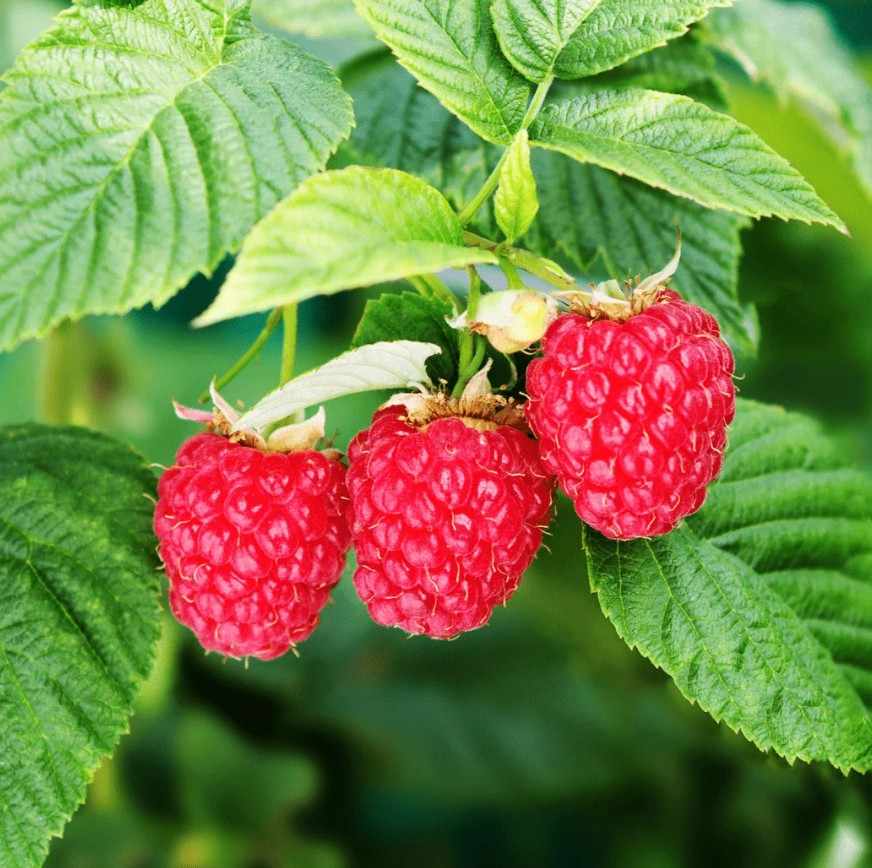
While strawberries lead the way, raspberry plants in India are emerging as a powerful trend. Once considered exotic imports, raspberries are now being grown locally with remarkable success. Rich in antioxidants and loved for their tart-sweet flavor, raspberries appeal to urban markets, gourmet chefs, and wellness-conscious consumers.
The key to success in raspberry farming lies in structure and care. These plants thrive in cooler conditions with specific humidity, drainage, and protection requirements—making polyhouse cultivation the perfect partner.
Tissue Culture Lab Design: Where Quality Begins
Every great harvest begins at the root—and that’s where tissue culture lab design plays a crucial role.
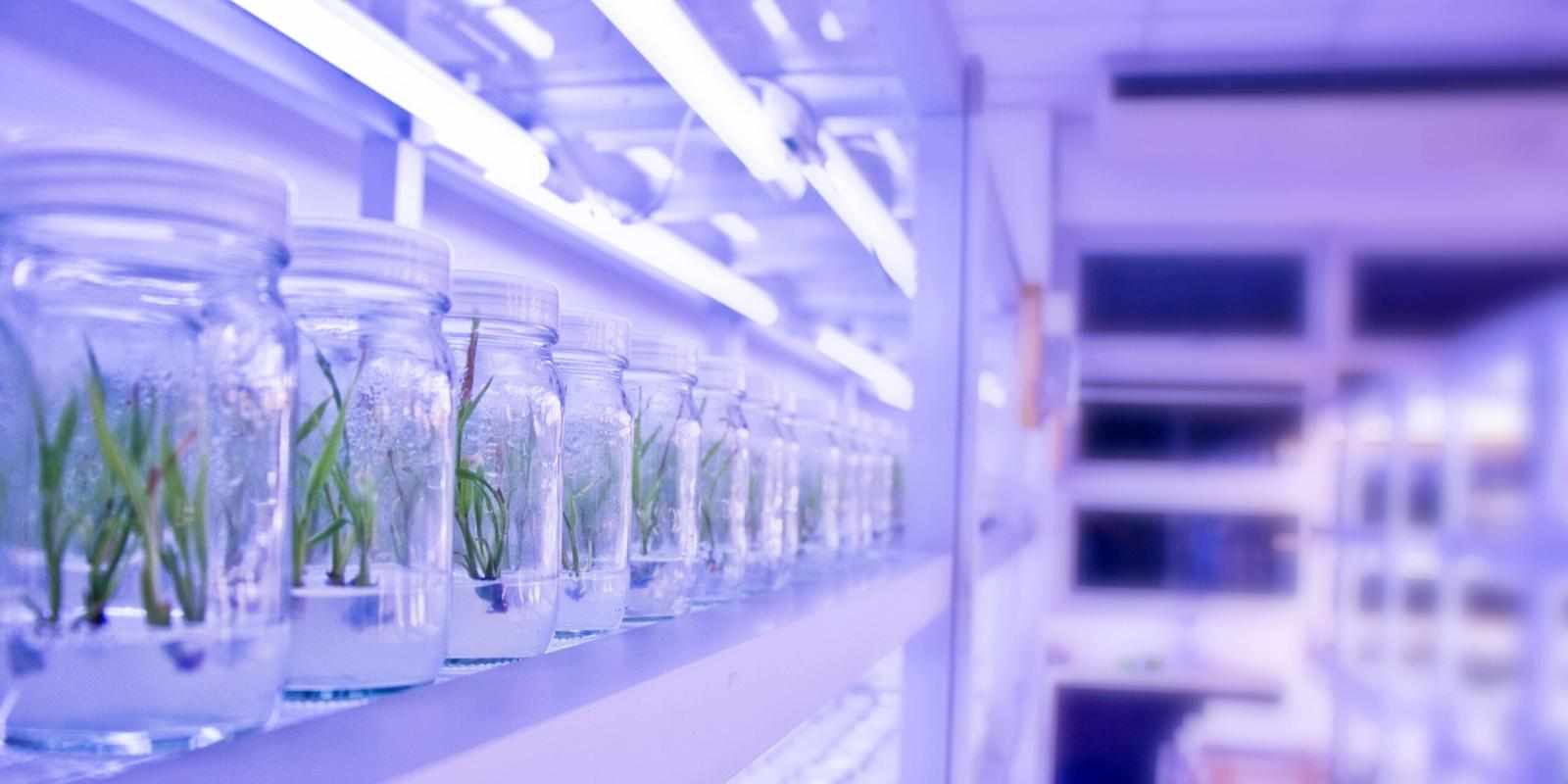
Tissue culture is the backbone of modern plant propagation. It allows growers to multiply elite, disease-free plants with uniform growth and high survival rates. Whether it’s strawberries or raspberries, micropropagation ensures each plantlet is genetically identical to a high-yielding, healthy mother plant.
A well-planned tissue culture lab design ensures:
Contamination-free environment
Efficient workflow from initiation to hardening
Scalable plant production
Consistent plant quality year-round
Tissue culture labs enable berry growers to start right—with confidence.

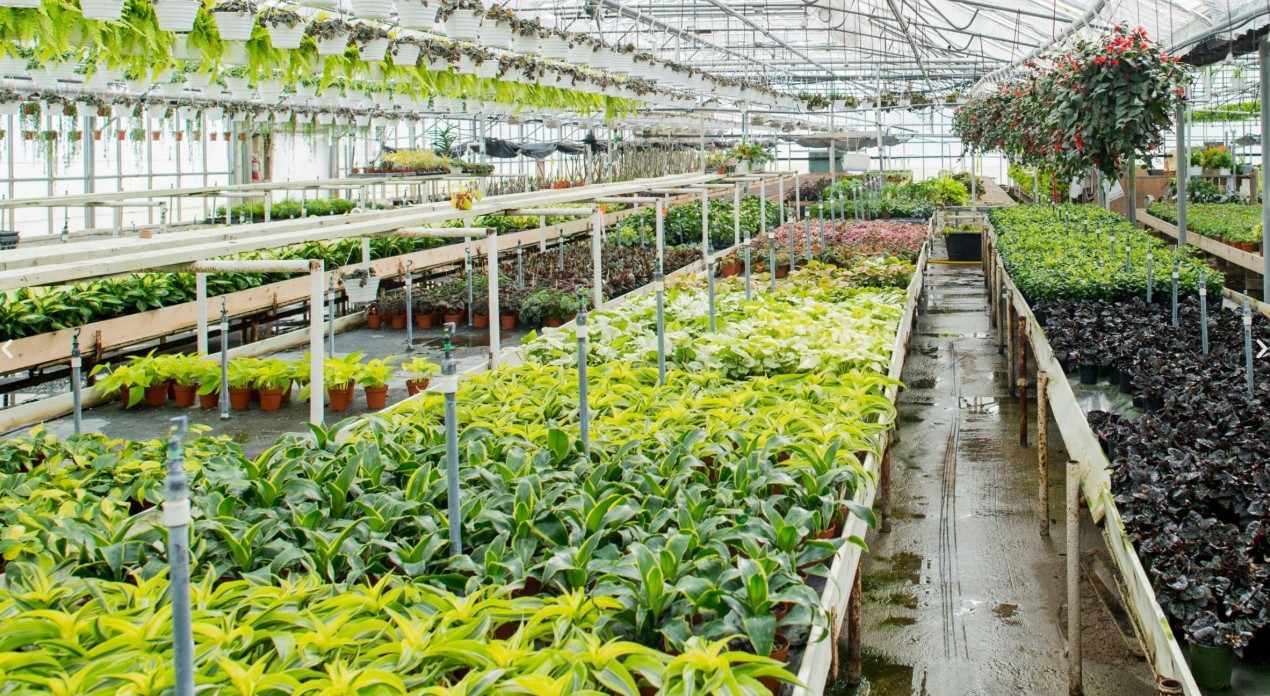
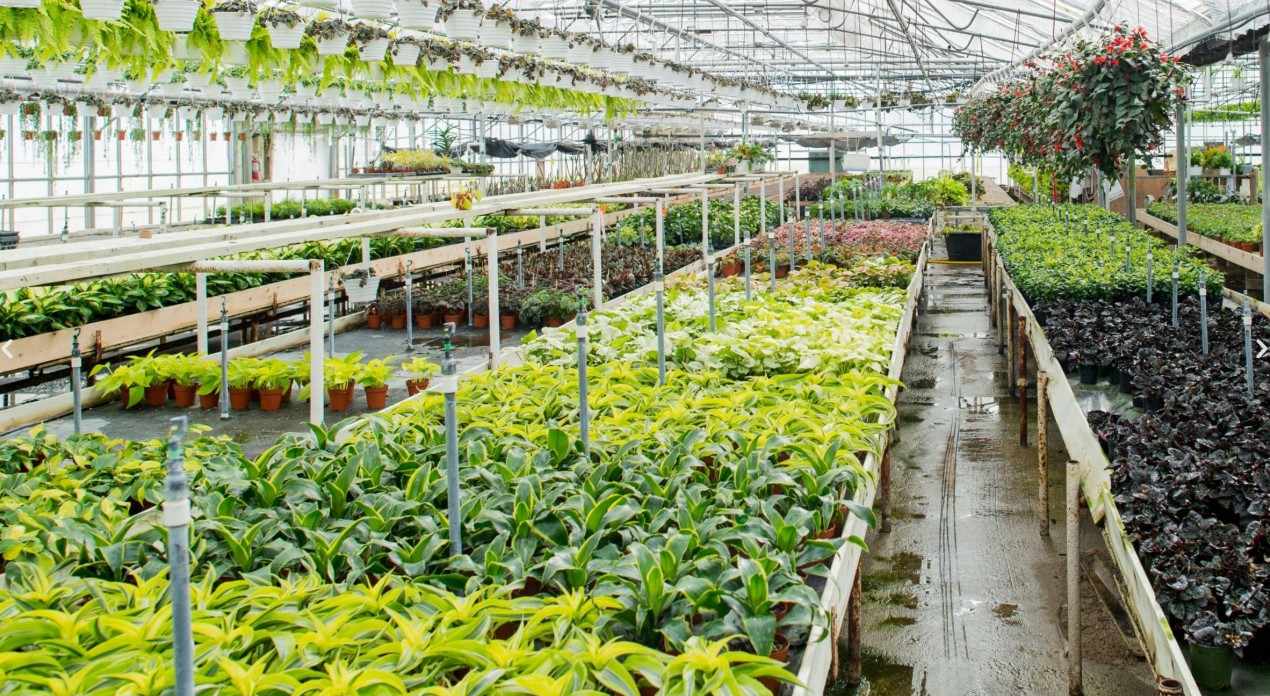
Polyhouse Suppliers in India: Building Climate-Controlled Success
India’s climate can be unforgiving—scorching heat, sudden rains, frost, and humidity all affect crop success. That’s why advanced growers are partnering with polyhouse suppliers in India to grow crops in controlled environments.
Polyhouses help in:
Maintaining optimal temperature and humidity
Preventing pest infestation
Extending crop cycles beyond natural seasons
Protecting against rain, wind, and hail
For berry cultivation, polyhouses are a necessity. Raspberries especially demand specific climate zones that aren’t naturally available in most Indian plains. With smart design and automation, polyhouses make it possible to create the perfect growing conditions—anytime, anywhere.
Creating a Profitable Berry Model in India
Here’s how farmers are transforming their land into profitable berry businesses:
Step 1: Begin with High-Quality Planting Material
Start with lab-grown strawberry plants or raspberry plants to ensure uniformity and high disease resistance. Tissue culture plants are vigorous, fast-growing, and highly productive.
Step 2: Use Polyhouses for Protection and Precision
Install structures through reputed polyhouse suppliers in India to control growing conditions. Polyhouses enable precision farming—vital for delicate fruits like berries.
Step 3: Adopt Drip Irrigation and Fertigation
Efficient water and nutrient delivery boosts plant health and reduces waste. Berries love consistent moisture without waterlogging.
Step 4: Monitor and Manage Disease Proactively
Use climate control, pest barriers, and organic protectants to prevent fungal and bacterial infections—especially crown rot and mildew.
Step 5: Harvest, Grade, and Pack Smartly
Post-harvest handling is critical. Use gentle methods for picking and packaging to preserve fruit quality and shelf life.
Why Modern Farmers are Choosing SheelBiotech
Smart berry farming needs more than passion—it needs a partner in innovation. That’s why many commercial and aspiring growers are choosing SheelBiotech.
With expertise in tissue culture lab design, climate-resilient polyhouse solutions, and top-quality strawberry and raspberry plants, SheelBiotech offers an integrated approach to modern farming.
From lab to land, SheelBiotech delivers excellence in every step of the growing journey—ensuring profitability, sustainability, and long-term success.
The Economic Advantage of Berry Farming in India
With increasing demand in metro cities, farm tourism, bakeries, and organic outlets, berries fetch premium prices. Here’s why strawberries and raspberries are high-return crops:
Quick turnover: Strawberries mature in 90–100 days.
High per-acre returns: Small plots yield big profits with the right inputs.
Export potential: Indian-grown berries are now reaching Gulf and Southeast Asian markets.
Year-round income: Polyhouse-grown berries break the seasonal barrier.
Modern farming techniques and climate resilience make berries an ideal choice for entrepreneurial farmers looking to maximize returns on smaller land parcels.
Looking Ahead: The Future is Berry Bright
The future of Indian farming is colorful—and very berry. With rising urban demand, evolving consumer preferences, and better access to technology, exotic fruit cultivation is no longer a niche activity.
It’s a viable, profitable, and scalable business.
By embracing innovations like tissue culture lab design, sourcing from reliable polyhouse suppliers in India, and planting high-performing strawberry plants and raspberry plants, Indian farmers are entering a new era of horticultural excellence.
Final Thoughts
India's shift toward high-value crops like strawberries and raspberries signals more than a trend—it's a transformation. This movement is fueled by climate-smart structures, clean propagation, and entrepreneurial spirit.
And with trusted guidance from SheelBiotech, this berry revolution is just getting started.



Write a comment ...