
Indian agriculture is entering a new era—one driven by innovation, sustainability, and the growing demand for high-value crops. Among the stars of this transformation are strawberry plants in India and raspberry plants in India, both of which are now being cultivated far beyond their traditional growing regions.
Through the adoption of polyhouse farming, precision irrigation, and advanced tissue culture lab design, farmers are unlocking year-round production, higher yields, and premium market opportunities. This shift isn’t just about producing fruit; it’s about reimagining how agriculture can be profitable, sustainable, and future-ready.
Why Berries are the New Gold in Indian Farms
Strawberries and raspberries are no longer niche crops grown only in cooler climates. With the help of modern agricultural technology, they are now being cultivated in diverse regions—offering farmers better margins than many traditional crops.
The reasons are clear:
High market demand: Fresh and processed berries are in demand year-round.
Premium pricing: Off-season production fetches even higher returns.
Export potential: Quality berries have strong global market opportunities.
Value-added products: From jams to juices and desserts, berries have multiple processing uses.
The Rise of Polyhouse Farming in India
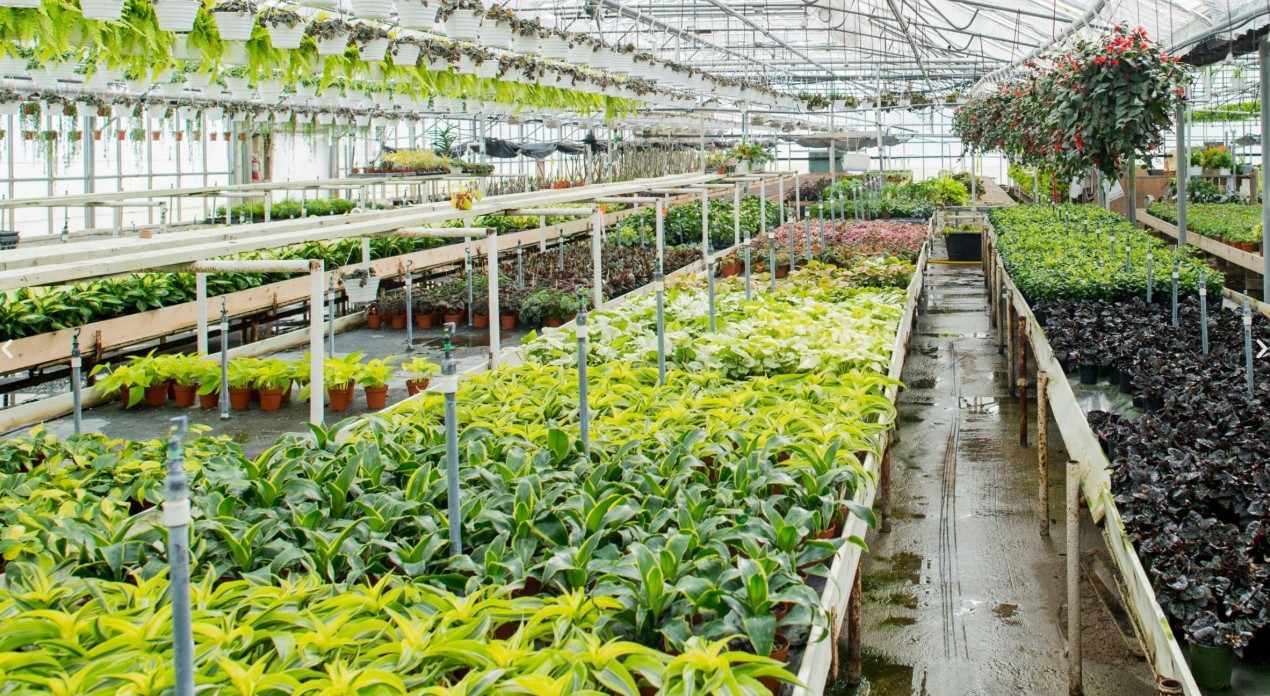
The backbone of this transformation is the innovation brought by polyhouse suppliers in India. A polyhouse creates a controlled environment that shields plants from extreme weather, pests, and diseases while allowing precise control of temperature, humidity, and irrigation.
For berry cultivation, this is a game-changer. Strawberries and raspberries thrive in specific conditions, and polyhouses ensure these are met consistently.
Advantages of polyhouse farming for berries:
Year-round production capability
Higher yields per square meter
Reduced water consumption through drip irrigation
Lower pesticide use due to controlled environments
Consistent fruit size and quality
Tissue Culture: The Science Behind Quality Plants
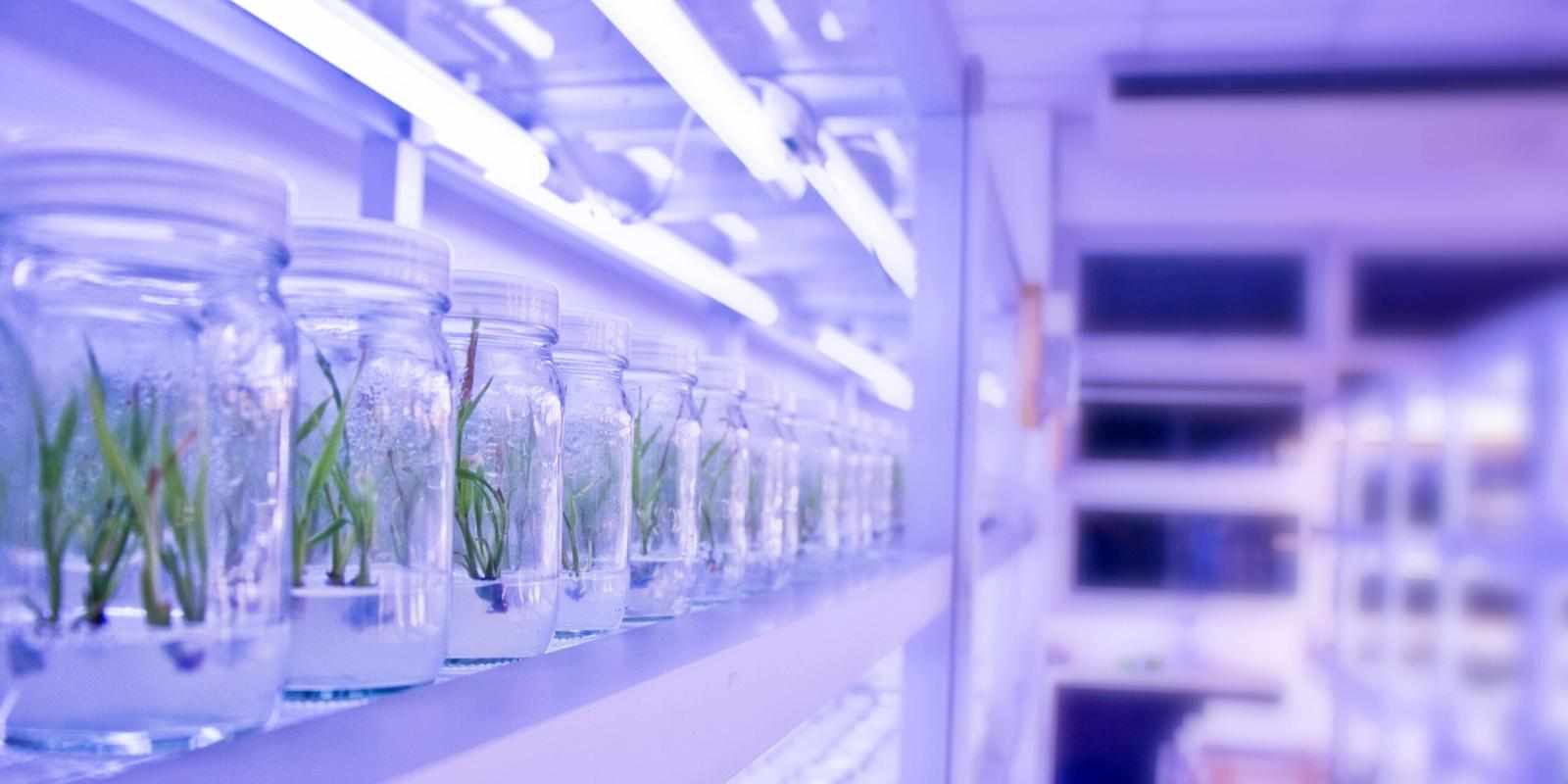
Healthy plants start with healthy planting material, and this is where tissue culture lab design plays a vital role. By producing genetically uniform and disease-free plants, tissue culture ensures that every crop cycle begins with strong, high-performing plants.
In the case of berries, tissue culture can:
Speed up propagation of elite varieties
Eliminate viral and fungal diseases from planting stock
Improve consistency in fruit size, flavor, and yield
Reduce dependence on traditional seed or runner propagation
A well-planned tissue culture lab includes sterile workspaces, climate-controlled growth rooms, and efficient workflow layouts. This scientific approach sets the foundation for modern berry farming.
Strawberry Plants in India: Expanding Horizons
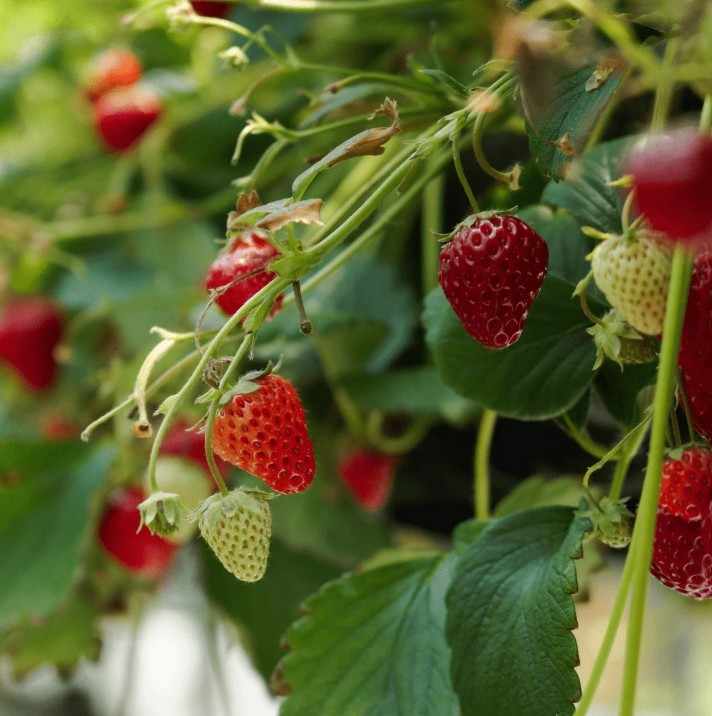
Once limited to hill stations, strawberry plants in India are now being grown in states like Maharashtra, Karnataka, Punjab, and even Rajasthan. With polyhouses and drip irrigation, farmers can grow strawberries in regions where natural conditions would normally be unsuitable.
Key factors for success:
Starting with tissue-cultured, disease-free plants
Maintaining optimum temperatures in polyhouses
Using high-quality nutrient solutions
Adopting staggered planting to ensure continuous harvests
Raspberry Plants in India: The Emerging Opportunity

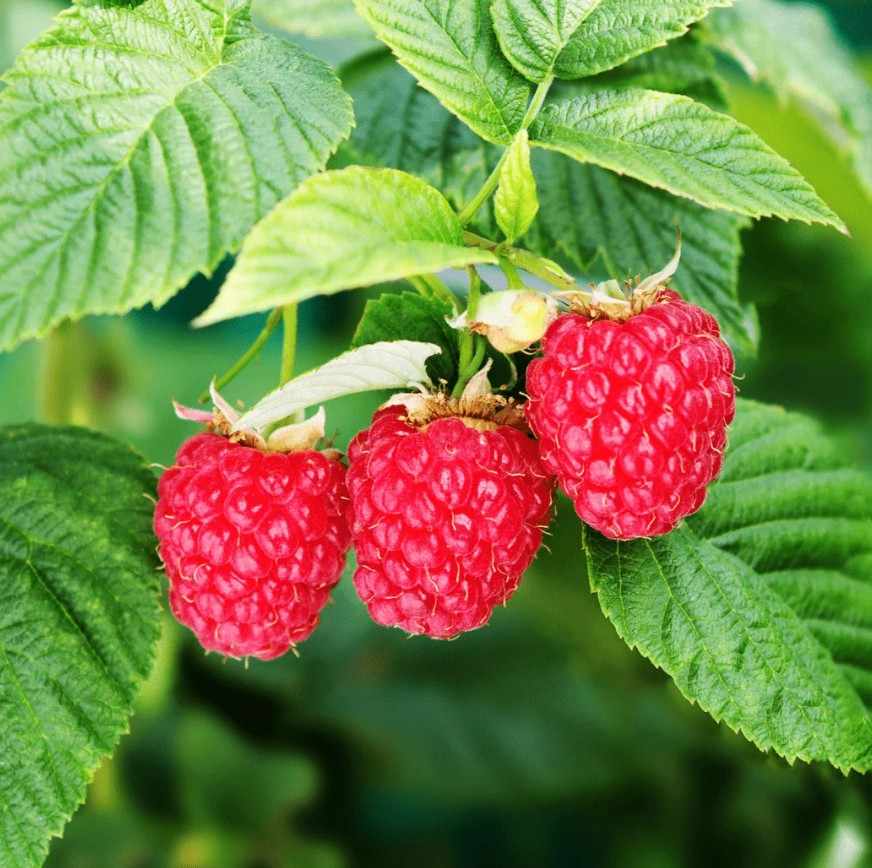
While strawberries have already established themselves, raspberry plants in India are now stepping into the spotlight. Raspberries, known for their rich flavor and health benefits, are gaining popularity among consumers and chefs.
With modern cultivation techniques:
Raspberries can be grown in warmer climates with controlled environments
Polyhouses protect delicate fruits from heat and excessive rainfall
Consistent production allows farmers to supply to premium retail outlets and hotels
The Perfect Combination: Polyhouse + Tissue Culture
When farmers combine polyhouse farming with tissue culture technology, they achieve the best of both worlds:
Quality-controlled planting material
Protection from environmental challenges
Optimal growth conditions for maximum yield
Efficient use of water, space, and nutrients
This combination reduces risks, improves profitability, and helps meet the growing demand for fresh, high-quality berries.
From Farm to Market: The Future of Berry Farming
India’s urban markets and growing health-conscious population are creating a steady demand for premium fruits. Modern berry farming not only meets this demand but also opens doors for:
Contract farming with supermarkets and food brands
Export opportunities to the Middle East and Southeast Asia
Agro-tourism ventures where visitors can pick their own berries
Empowering Farmers for the Future
Brands like Sheel Biotech are at the forefront of this agricultural shift, offering expertise in strawberry plants in India, raspberry plants in India, advanced tissue culture lab design, and reliable polyhouse suppliers in India. By integrating science, infrastructure, and farmer training, they are making berry cultivation a profitable reality across the country.
Key Takeaways for Farmers Ready to Start
Invest in quality planting material through tissue culture to ensure healthy, uniform crops.
Adopt polyhouse farming to control the environment and extend the growing season.
Learn about nutrient management for optimum berry flavor and size.
Focus on market demand—plan your harvest cycles for peak market prices.
Explore value addition with processed berry products for higher margins.
Conclusion
The shift towards high-value, technology-driven crops like strawberries and raspberries is a sign of India’s evolving agricultural landscape. With tissue culture lab design ensuring the best start, polyhouse suppliers in India providing the ideal environment, and quality planting material for both strawberry plants in India and raspberry plants in India, the future of berry farming is bright, profitable, and sustainable.



Write a comment ...