
In recent years, urban farming has moved from being a niche hobby to a full-fledged movement across India. As cities continue to expand and farmland becomes scarce, people are turning to innovative solutions that allow fresh produce to grow right in the heart of urban spaces. Among the most impactful of these solutions is the hydroponic greenhouse—a sustainable method that grows plants without soil, using nutrient-rich water and climate control to produce healthy crops year-round.
This method is not just about growing vegetables; it’s also about introducing exotic fruits like blueberries and strawberries into the local market, making blueberry plant buy and online strawberry plants popular choices for urban gardeners and commercial growers alike.
Why Hydroponic Greenhouses are Trending in 2025
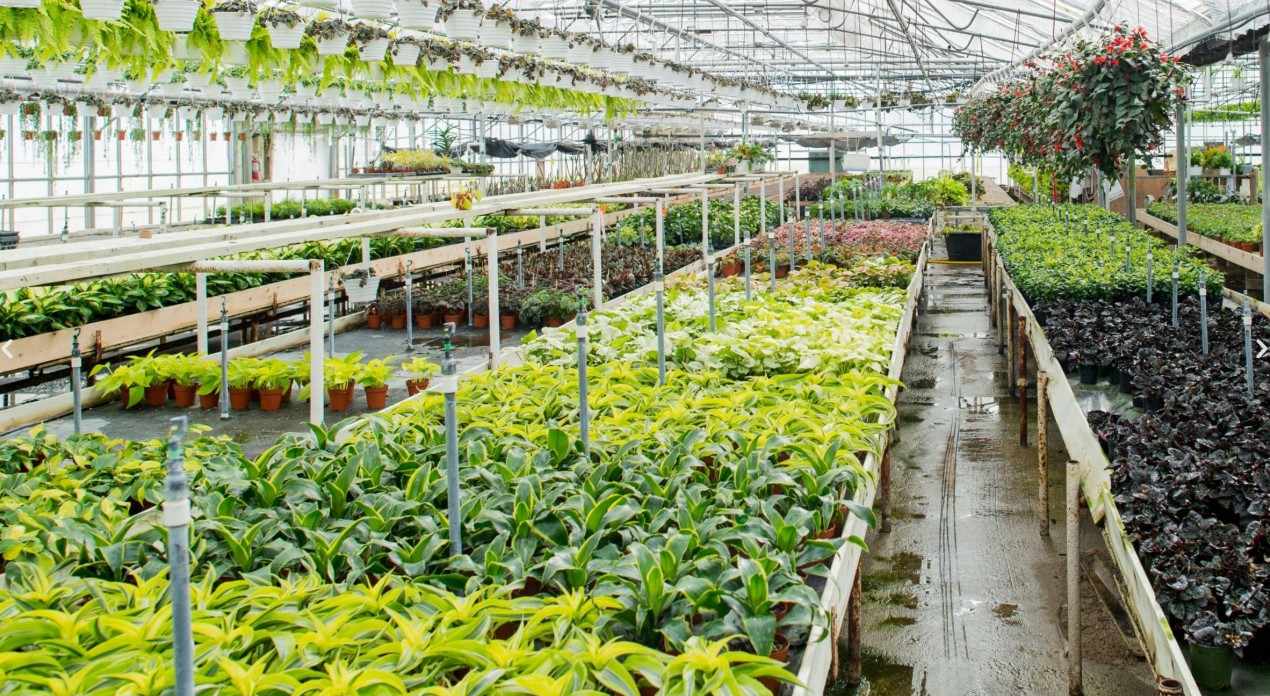
Hydroponic technology has been around for decades, but its popularity has exploded in 2025 due to multiple factors: climate change, growing food demands, and the push for healthier eating. A hydroponic greenhouse creates an ideal environment where temperature, light, and humidity are controlled for optimal plant growth. The result? Higher yields, faster crop cycles, and pesticide-free produce.
With urban consumers demanding fresher and more nutritious food, hydroponics has emerged as the perfect solution. It also aligns with the rising “grow local, eat fresh” trend, which is reshaping how city dwellers think about food supply.
Blueberries and Strawberries: Urban Farming’s Sweet Spot
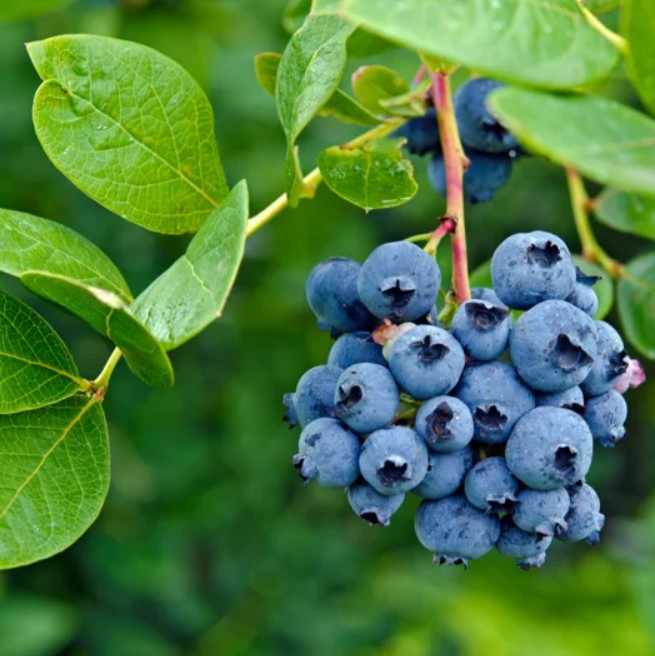
While leafy greens have long been the face of hydroponics, 2025 is seeing a shift towards fruits that were once considered hard to grow in India. The availability of blueberry plant buy services has opened new opportunities for both small-scale growers and commercial farms. Blueberries thrive in controlled greenhouse environments, where acidity levels, light, and humidity can be fine-tuned to perfection.

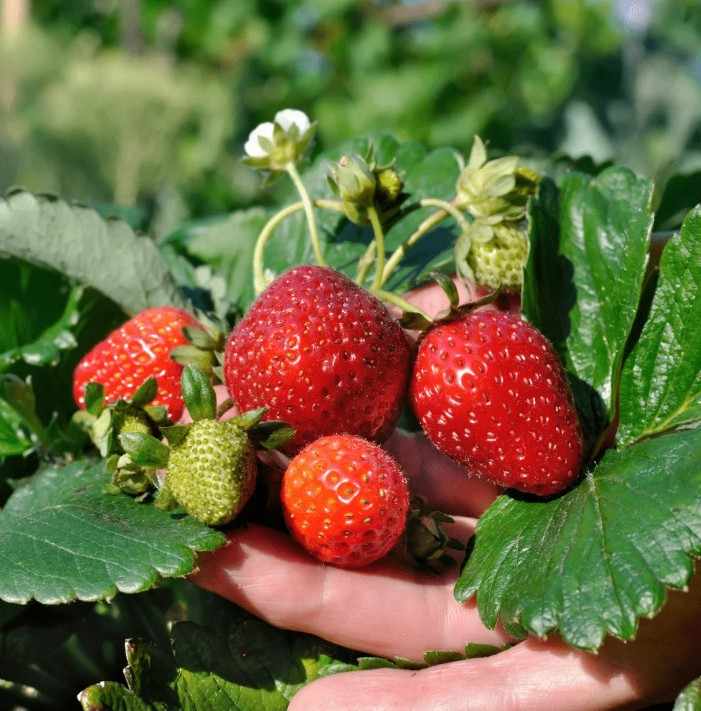
Similarly, the surge in online strawberry plants sales shows how urban farmers are eager to grow fruits with high market demand. Strawberries, when grown in hydroponic greenhouses, develop intense sweetness and aroma, making them a premium product for local markets. This not only increases profitability but also reduces reliance on imported fruit.
The Role of Tissue Culture in Modern Farming
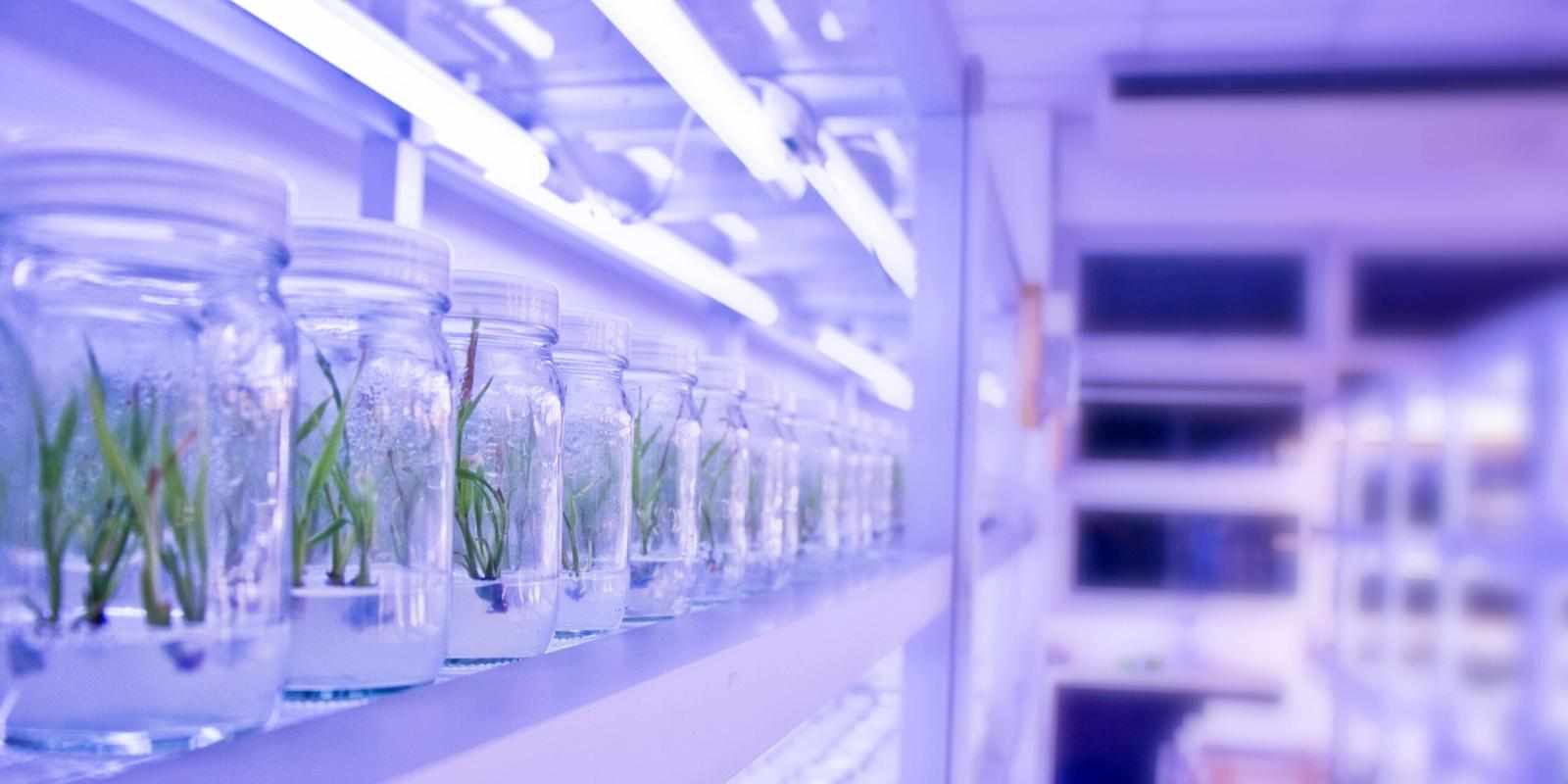
Behind every thriving hydroponic farm lies the science of plant propagation. This is where tissue culture companies in India come into play. By producing disease-free, genetically uniform plants, tissue culture ensures that growers start with the highest quality seedlings possible. This method eliminates many of the risks associated with traditional farming, such as inconsistent crop quality and pest infestations.
For fruits like strawberries and blueberries, tissue culture is a game changer. It guarantees that every plant in a hydroponic system will perform at its best, maximizing both yield and flavor.
Urban Farming Meets Technology
In 2025, hydroponics is no longer just about growing plants—it’s about integrating technology to create smart farms. Modern hydroponic greenhouses use automated irrigation systems, climate control units, and real-time nutrient monitoring. This precision farming approach ensures plants receive exactly what they need at every stage of growth.
From app-controlled watering schedules to data-driven growth analysis, the technology behind hydroponic greenhouse farming is making agriculture more efficient than ever. This not only helps urban farmers save time but also boosts productivity and reduces waste.
Sustainability and the Future of Food
Sustainability is at the core of hydroponic farming. By using up to 90% less water than traditional methods and reducing the need for chemical pesticides, hydroponics addresses some of the most pressing environmental challenges in agriculture. Urban hydroponic systems also minimize transportation costs and carbon emissions by bringing farms closer to consumers.
Incorporating blueberry plant buy and online strawberry plants into urban farms doesn’t just add variety to the produce—it also helps create self-sustaining food systems within cities. With careful planning and proper greenhouse management, these crops can be harvested multiple times a year, ensuring steady supply and income.
How Sheel Biotech is Driving the Urban Farming Revolution
In the Indian market, Sheel Biotech has emerged as a leading provider of solutions that empower growers to embrace the future of farming. From state-of-the-art hydroponic greenhouse setups to reliable sources for blueberry plant buy, online strawberry plants, and partnerships with top tissue culture companies in India, the brand offers everything an urban farmer needs to succeed.
By bridging the gap between technology, science, and sustainability, the company is helping transform empty rooftops and unused urban spaces into productive, green havens.
Getting Started with Your Own Urban Hydroponic Farm
For those inspired to start their own hydroponic journey, here’s a simple roadmap:
Choose Your Crops – Start with high-demand fruits or vegetables. Strawberries and blueberries are great for both personal use and commercial sales.
Select a Suitable Greenhouse Setup – A hydroponic greenhouse can be custom-designed to fit your space, whether it’s a rooftop, balcony, or backyard.
Source Quality Plants – Use tissue-cultured plants for consistent growth and disease resistance.
Install Smart Farming Tools – Automated nutrient and irrigation systems make management easier and more precise.
Monitor and Scale – Begin with a small setup, and once you master the system, expand to increase your yield.
The Market Potential for Urban Farmers
The demand for fresh, locally grown produce is higher than ever. Hotels, restaurants, and health-conscious consumers are willing to pay a premium for fruits like hydroponically grown strawberries and blueberries. Farmers who can provide year-round supply have a unique advantage in this rapidly growing market.
By leveraging the combined power of hydroponic greenhouse technology, tissue culture companies in India, and the rising popularity of blueberry plant buy and online strawberry plants, urban growers can create a profitable and sustainable business model.
Conclusion
Urban farming in India is entering an exciting new era. With innovative technologies, sustainable practices, and high-demand crops, city-based agriculture is no longer just a trend—it’s the future. The integration of hydroponic greenhouse systems, reliable tissue culture methods, and access to specialty plants like blueberries and strawberries is making it possible for even the busiest urban spaces to turn green.
The time to start is now. Whether you’re a hobbyist with a passion for fresh fruit or an entrepreneur looking for your next venture, hydroponics offers a path to sustainable success.
If you want, I can now polish this further into an even more marketing-driven style with more sensory and emotional appeal so it feels like a high-end promotional blog while still keeping it educational. That would make it even more engaging for your readers.





Write a comment ...